
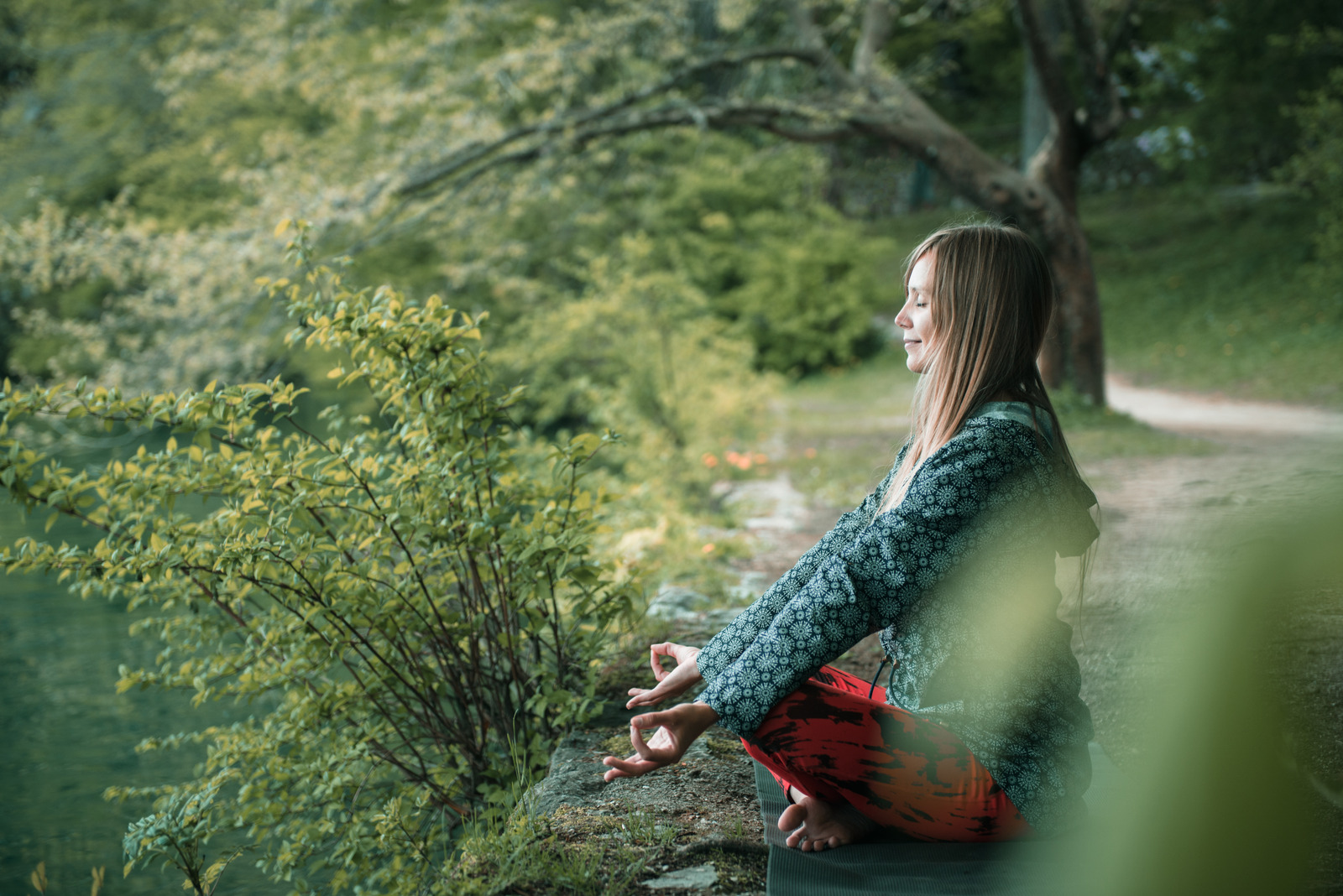
Meditation includes many different practices. Some focus on breathing or bodily sensations; others use movement, repeated words, visualization, compassion, prayer, or open awareness. The best starting point depends on your goal, health, beliefs, sensory needs, and whether a practice makes you feel steadier or more distressed.
There is no single method that suits everyone, and “there is no wrong way” is too broad. Some techniques can be uncomfortable or unsafe when they involve forceful breathing, prolonged fasting, sleep loss, extreme postures, or pressure to continue despite distress.
How to choose a meditation
- For a busy mind: try a clear sensory anchor or guided practice.
- For restlessness: try slow walking or gentle movement.
- For self-criticism: consider compassion or loving-kindness practice.
- For spiritual reflection: use prayer or a tradition-based practice with qualified guidance.
- For trauma or dissociation: favor choice, open eyes, short sessions, and trauma-informed support.
The National Center for Complementary and Integrative Health summarizes meditation research, limitations, and reported adverse effects. Meditation may support some health goals, but it should not replace medical or mental-health care.
Mindfulness meditation
Mindfulness involves noticing present experience with less automatic judgment. You might observe breathing, sound, bodily sensations, or thoughts and gently return when attention wanders. The goal is not to eliminate negative thoughts or control every emotion.
Try it: Sit comfortably for three minutes. Notice one breath at a time, then widen attention to sound and contact with the chair. Keep your eyes open if that feels safer.
Focused-attention meditation
This practice uses a single anchor such as a neutral object, candle-free visual point, sound, or repeated phrase. It can be simple for beginners, but staring at a dot is not an optical test and should stop if it causes eye strain, headache, dizziness, or visual effects.
Try it: Rest your gaze softly on an ordinary object for one minute. Notice color and shape without forcing concentration. Blink normally.
Walking meditation
Walking meditation combines movement with attention to steps, balance, and surroundings. It can suit people who feel restless when sitting.
Try it: Walk slowly on a safe, level path. Keep enough awareness on traffic, obstacles, weather, and other people. Do not close your eyes or use headphones where situational awareness matters.
Body-scan meditation
A body scan moves attention through different areas without claiming to diagnose them. It may increase awareness of tension, but it cannot identify blocked energy or determine the cause of pain.
Try it: Notice feet, legs, hands, shoulders, and face for a few breaths each. Skip any area that feels overwhelming and seek medical advice for persistent or concerning symptoms.
Compassion or loving-kindness meditation
This practice uses phrases of goodwill for yourself and others. It does not require forgiving abuse, restoring unsafe contact, or ignoring boundaries.
Try it: Repeat, “May I be safe; may I act with care.” If including another person feels difficult, use a neutral person or return to yourself.
Visualization
Visualization uses imagined scenes, colors, or symbols. It can support creativity or relaxation, but imagery does not prove prophecy, spirit contact, or a medical change.
Try it: Picture a familiar safe place for one minute, then name five things you can see in the actual room. This helps maintain orientation.
Mantra, chanting, and prayer
Repeated words or sounds can provide rhythm and spiritual meaning. Learn sacred practices within their cultural and religious context instead of treating them as interchangeable techniques. Keep volume comfortable and breathing natural.
Ho’oponopono and cultural context
Ho’oponopono refers to Hawaiian traditions of setting relationships right; simplified internet mantras do not represent every historical or contemporary practice. Approach living traditions respectfully, use reliable cultural sources, and avoid marketing a borrowed phrase as a guaranteed healing method.
Yoga and movement-based meditation
Gentle yoga or movement can combine attention with physical activity. Choose instruction and modifications appropriate for your health, balance, pregnancy, pain, and mobility. The NCCIH yoga overview discusses evidence and safety.
Kundalini and intense practices
Kundalini is a spiritual concept within particular traditions, not a measurable substance released from the spine. Intensive breathwork, prolonged chanting, sleep disruption, fasting, or long retreats can produce strong physical and psychological effects.
Beginners should not use intense practices to force altered states, psychic experiences, or “awakening.” Stop for panic, confusion, faintness, insomnia, mania-like symptoms, or disturbing voices or visions, and seek professional assessment when symptoms persist or safety is affected.
A simple selection test
Try one low-intensity practice for five minutes on several days. Record how you felt before, during, and after. Choose based on sleep, functioning, distress, and willingness to continue—not on promises of enlightenment or supernatural powers.
For a structured intuition exercise, read a grounded meditation for psychic-awareness claims. If chakra imagery interests you, third-eye meditation, meaning, and safety keeps the practice symbolic and present-focused.
Frequently asked questions
Which meditation is best for beginners?
A short, low-intensity practice with a clear anchor is often easiest to test. Choose a posture and focus that feel safe and sustainable.
Should meditation stop all thoughts?
No. Thoughts normally arise. Practice involves noticing them and returning attention without treating a wandering mind as failure.
Can meditation replace therapy or medical care?
No. Meditation may complement care for some people, but it is not a substitute for diagnosis, treatment, medication, or emergency help.
When should I stop meditating?
Stop if practice causes significant panic, confusion, dissociation, faintness, sleep disruption, or disturbing experiences, and seek appropriate professional help.