
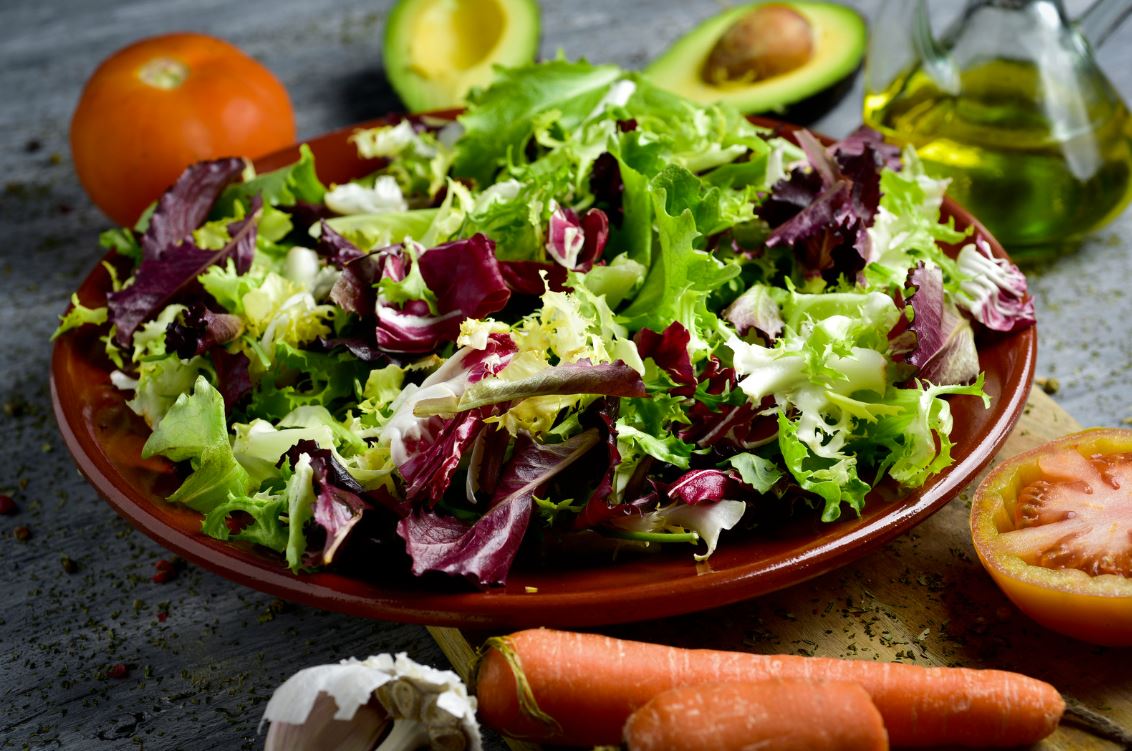
Food can carry spiritual meaning through gratitude, fasting, feasting, hospitality, ethical choices, family recipes, and religious observance. Those meanings vary widely within every culture and faith. There is no universal “spiritual diet,” and a food does not become medically healthier because it is described as high-vibration, pure, sacred, or natural.
Nutrition and spirituality can coexist when each stays in its proper role. Personal beliefs may shape why and how you eat; qualified nutrition and medical guidance should shape treatment for disease, allergies, deficiencies, eating disorders, and other health needs.
Avoid broad claims about cultures and religions
Statements such as “Hindus do not eat meat,” “Jewish people do not eat pork,” or “Indigenous cultures follow one strict diet” erase substantial diversity. Practices differ by community, denomination, region, family, personal belief, health, and level of observance.
When discussing a tradition, use reliable sources from that community and describe a specific practice rather than treating millions of people as identical. Do not borrow a ceremony, sacred food, or fasting rule without understanding its context and permissions.
Build nourishment around variety
Healthy eating patterns can include many combinations of vegetables, fruits, grains, protein foods, dairy or fortified alternatives, and fats. Individual needs vary with age, health, pregnancy, activity, allergies, medications, access, and cultural preferences.
The National Institute on Aging’s healthy-eating resources emphasize variety across food groups. A registered dietitian or qualified clinician can help adapt general guidance to an individual situation.
A mindful meal practice
1. Check practical needs
Notice hunger, thirst, medication timing, allergies, budget, and available food. Do not use intuition to override a diagnosed allergy, diabetes plan, swallowing recommendation, or other clinical guidance.
2. Pause without moralizing
Take one natural breath and look at the meal. Avoid labeling yourself good, bad, clean, impure, or spiritually weak because of what you eat.
3. Name a source of gratitude
You might acknowledge the people, land, labor, animals, plants, or traditions involved. Gratitude is optional and should not be used to dismiss food insecurity, illness, grief, or complicated feelings about eating.
4. Eat with attention
Notice taste, texture, fullness, comfort, and enjoyment. Mindful attention is not a cure or a requirement to eat perfectly. Follow professional advice when internal hunger or fullness cues are unreliable.
5. Reflect on values
Ask whether your choices are workable, affordable, safe, culturally meaningful, and consistent with your values. A sustainable pattern matters more than a single symbolic food.
Raw food is not automatically better
Cooking can reduce some nutrients while improving digestibility, safety, taste, or availability of others. Raw diets are not inherently more spiritual, enzymatically superior, or suitable for everyone.
Raw meat, poultry, seafood, eggs, sprouts, and unpasteurized products can carry foodborne risks. The U.S. Food and Drug Administration’s safe food-handling guidance covers separation, cooking, chilling, and hygiene. Use a food thermometer where recommended; appearance alone cannot confirm safety.
Meat, fish, dairy, and plant-based choices
No single choice determines spiritual worth. People may include or avoid animal foods for religious, ethical, environmental, medical, financial, or personal reasons. Vegetarian and vegan patterns can be nutritionally adequate when planned appropriately, and animal foods can also be part of balanced patterns.
“Pasteurized meat” is not standard advice; pasteurization more commonly applies to products such as milk, juice, and eggs. Meat and seafood safety depends on sourcing, storage, separation, and proper cooking. Fish does not universally prevent depression or stroke, and dairy is not required for every person. Discuss individualized benefits, allergies, interactions, mercury exposure, and alternatives with qualified professionals.
Fasting and restrictive spiritual diets
Fasting can be important in some traditions, but it is not safe for everyone. Children, pregnant or breastfeeding people, people with diabetes or eating disorders, those taking certain medications, and others with health concerns may need to modify or avoid fasting.
Consult an appropriate clinician and, when relevant, a knowledgeable faith leader. A compassionate tradition can usually discuss accommodations; health needs are not a spiritual failure.
Food, mood, and medical claims
Diet can affect health, but no food purifies the soul, guarantees positive thinking, heals through words, or opens psychic perception. Depression, heart disease, digestive problems, and neurological symptoms are not caused by insufficient spiritual eating and should not be self-treated with a restrictive plan.
Seek professional help when eating becomes frightening, compulsive, severely restricted, associated with purging or bingeing, or causes significant weight change, weakness, fainting, or impaired daily life.
Combine nourishment with other grounded practices
A meal ritual can be part of a wider routine that includes sleep, movement, relationships, healthcare, and reflection. These types of meditation and selection tips offer non-food options. For a symbolic reset that does not make detoxification claims, see aura cleansing for stress and safer practices.
Frequently asked questions
Are raw foods always more nutritious?
No. Effects vary by food and preparation. Cooking can improve safety and digestibility, while raw foods may pose particular foodborne risks.
Do I need to avoid meat to be spiritual?
No universal rule applies. Dietary practices differ across and within traditions, and spiritual worth cannot be determined from one food choice.
Can food heal depression or heart disease?
Diet may be one part of health management, but no single food or spiritual diet replaces diagnosis, treatment, medication, or individualized clinical advice.
Is religious fasting safe for everyone?
No. Health conditions, pregnancy, age, medications, and eating-disorder risk can make fasting unsafe. Seek qualified medical and religious guidance about accommodations.