
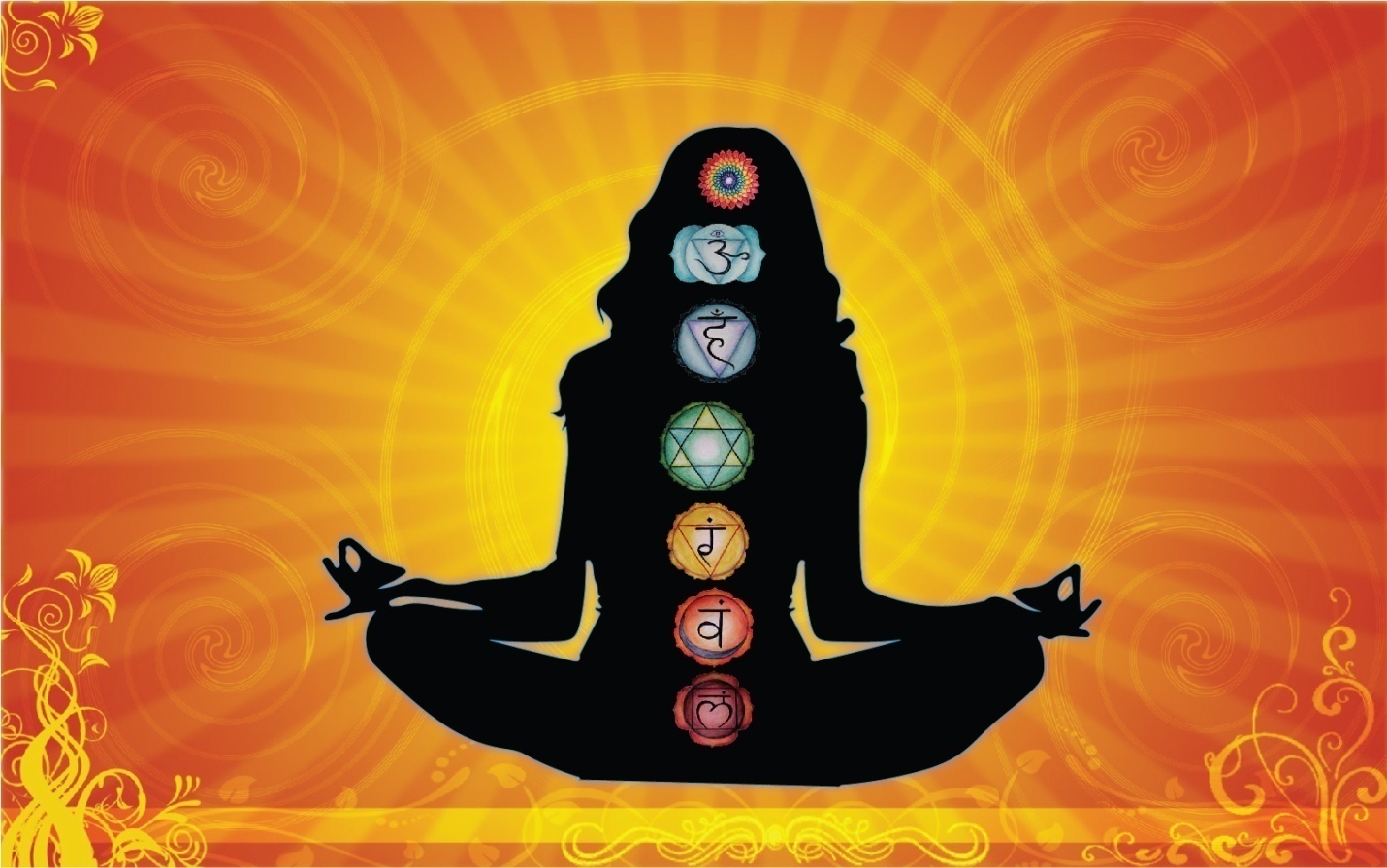
In some yoga and modern spiritual traditions, the sacral chakra is a symbolic energy center associated with emotion, creativity, pleasure, intimacy, and the color orange. Chakras are spiritual concepts, not anatomical structures, and there is no medical test showing that a blocked sacral chakra causes illness, back pain, sexual problems, addiction, or difficulty finding love.
You can still use sacral-chakra imagery as a prompt for self-reflection. The useful work is practical: understanding your feelings, respecting consent, communicating needs, and choosing relationships through observable behavior rather than believing energy work will attract a particular person.
What this symbol can help you explore
- How comfortable you feel naming emotions.
- Whether pleasure and rest have a healthy place in your life.
- How you communicate sexual and relationship boundaries.
- Whether guilt or shame is shaping present choices.
- How creativity supports your sense of identity.
- What intimacy means beyond chemistry or attraction.
These questions do not diagnose an energy imbalance. Persistent pain, sexual-health concerns, mood changes, or addictive behavior deserve assessment by qualified professionals.
A grounded sacral-chakra reflection
1. Choose a present-focused question
Try “What boundary would make dating feel safer?” or “What kind of affection helps me feel respected?” Avoid asking a chakra to identify your soulmate, reveal another person’s thoughts, or predict whether a relationship will succeed.
2. Settle into a comfortable position
Sit, stand, or lie down safely. Notice ordinary breathing and contact with the floor or chair. Do not force breath holds or continue any movement that causes pain, dizziness, numbness, or shortness of breath.
3. Use a symbol
You may picture orange light near the lower abdomen, hold an orange object, or listen to music. Treat the image as a focus for attention—not a scan of your organs or proof that energy is moving.
4. Name an emotion and a need
Complete two sentences: “Right now I feel…” and “What I need is…” A need might be time, clarity, affection, space, safety, or honest conversation. A feeling does not obligate another person to meet every need, but it can guide a respectful request.
5. Choose one observable action
Examples include updating a dating boundary, asking a direct question, scheduling a health appointment, making time for art, or ending contact with someone who repeatedly ignores consent.
6. Close the exercise
Look around the room, move your hands and feet, and return to daily activity. If the practice increases distress or compulsive sign-seeking, stop and use ordinary grounding or professional support.
Finding love requires more than visualization
Visualization cannot make a specific person love you or override their choices. A relationship depends on mutual interest, timing, communication, shared goals, and consent. Judge compatibility through consistent behavior.
Before treating strong chemistry as spiritual destiny, review these practical criteria for finding a compatible partner. Once a relationship develops, use the communication and repair principles in having healthy relationships.
Movement, yoga, and safety
Dancing or yoga may support enjoyment, exercise, or relaxation, but a particular movement does not release trauma or cure a chakra-related disorder. The National Center for Complementary and Integrative Health summarizes yoga research and safety considerations.
Choose movements appropriate for your health and ability. Use a qualified instructor when needed, modify for injuries or pregnancy, and seek medical advice for persistent pain or concerning symptoms. Do not dance near an open fire, candles, traffic, unstable surfaces, or other hazards.
Baths, oils, candles, and crystals
A warm bath, pleasant scent, candle, or crystal may support a personal ritual, but none has been shown to unblock a chakra or attract love. Keep baths at a safe temperature, prevent slips, and never use them when dizziness, intoxication, or a health condition makes bathing unsafe.
Essential oils can irritate skin or trigger reactions. Follow product instructions, avoid ingestion, keep products away from children and pets, and ask a clinician about pregnancy, allergies, asthma, medication, or other concerns.
Never leave a candle unattended or place it near bedding. A salt lamp or tea light does not purify the body, remove negative energy, or medically improve sleep.
Breathing practice without strain
Gentle attention to natural breathing may feel calming. Avoid rigid inhale-exhale counts, prolonged holds, or repeated forceful breathing if you are untrained. Stop immediately for dizziness, tingling, chest pain, panic, or breathlessness and seek medical help for serious or persistent symptoms.
For a structured alternative that separates impressions from claims, use this grounded meditation for intuition.
Frequently asked questions
Can opening my sacral chakra make someone fall in love with me?
No. A spiritual exercise cannot control another person’s feelings or consent. Focus on communication, compatibility, and mutual choice.
Does a blocked sacral chakra cause pain or sexual problems?
That connection has not been medically established. Seek qualified healthcare for persistent pain, sexual-health concerns, or other symptoms.
Can sacral-chakra work release trauma?
Movement or reflection may feel meaningful, but it is not a substitute for trauma-informed care. Stop practices that increase distress and consult a licensed mental-health professional when needed.
What is a safe way to use sacral-chakra symbolism?
Use it as a voluntary reflection prompt, keep claims modest, choose safe activities, respect consent, and base important decisions on evidence and professional advice.