
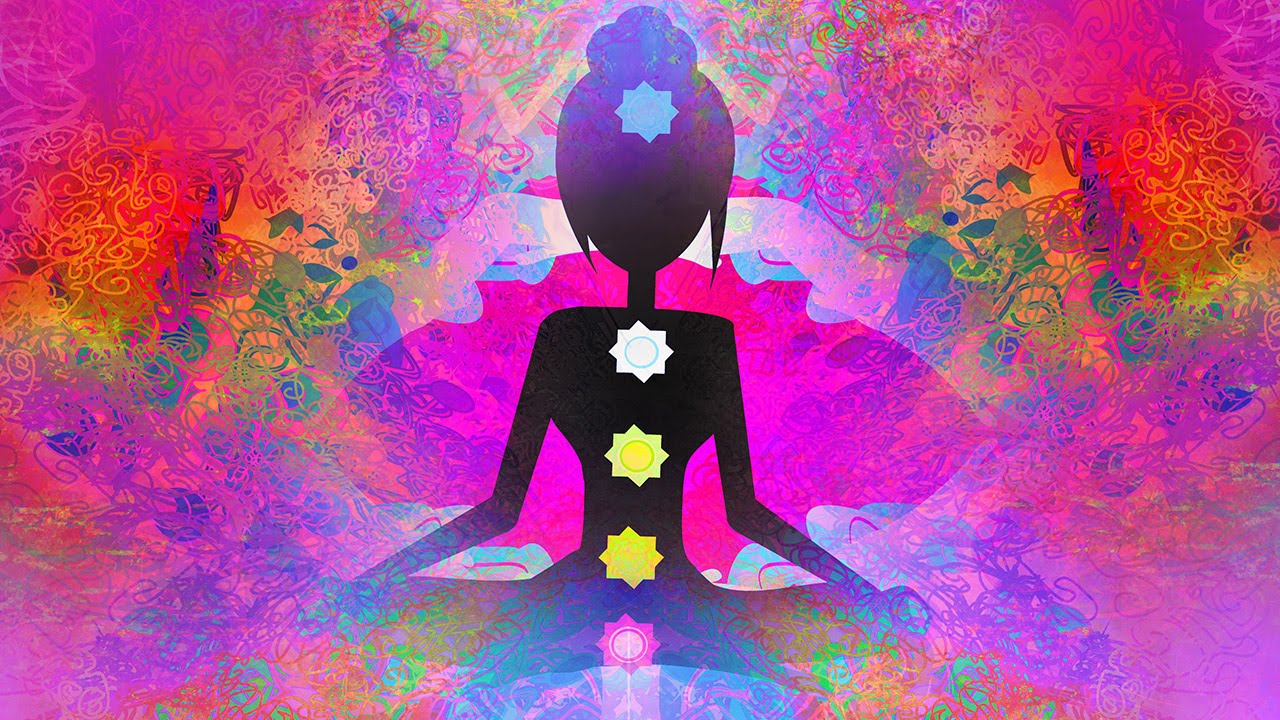
Aura cleansing is a spiritual or symbolic practice intended to create a sense of reset. People may use water, visualization, movement, sound, prayer, crystals, or a session with an energy practitioner. There is no scientific test for a “dirty aura,” energetic cords, or blocked frequency, and cleansing an aura has not been shown to stop stress or treat a health condition.
Some rituals may still feel calming because they create a pause, focus attention, or encourage familiar self-care. Keep the claim modest: a practice may help you feel settled; it does not prove that energy was removed or replace evidence-based care.
Start by identifying the source of stress
Before choosing a ritual, write down what is creating pressure. Is the problem workload, conflict, grief, finances, caregiving, discrimination, poor sleep, illness, or uncertainty? Stress management works best when it includes action on causes you can change—not only relief after they occur.
Also notice duration and impact. Seek medical or mental-health support when stress is persistent, severe, worsening, disrupting sleep or daily functioning, or accompanied by panic, substance use, hopelessness, or thoughts of harm.
A grounded aura-cleansing routine
1. Name the practice accurately
Say, “I am using a symbolic reset” rather than “I am removing another person’s energy.” This leaves room for personal meaning without turning an interpretation into a fact about someone else.
2. Choose one safe sensory cue
Take a comfortably warm shower, hold a smooth object, listen to quiet music, or open a window if conditions are safe. The cue marks a transition; it is not detoxification or medical treatment.
3. Orient to the present
Notice five things you can see, four you can feel, and three you can hear. Let breathing remain natural. Stop any technique that causes dizziness, breathlessness, tingling, panic, or pain.
4. Visualize a boundary
You may imagine a gentle light or protective bubble as a reminder that you can pause, leave a conversation, silence notifications, or say no. Visualization cannot physically shield you from danger; use practical safety measures when risk is real.
5. Take one concrete step
Send a boundary-setting message, schedule a break, ask for help, reduce an avoidable commitment, or make an appointment. A ritual becomes more useful when paired with an observable action.
6. Close the practice
Put away materials, look around the room, and return to daily activity. Repeating a cleansing until it feels “perfect” can reinforce anxiety. Set a reasonable time limit.
Water, baths, and scent
A shower or bath may be relaxing, but water does not remove spiritual cords or purify the body of negative energy. Use a safe temperature, prevent slips, and avoid bathing when intoxicated, severely dizzy, or medically advised not to do so.
Fragrances and essential oils can irritate skin or trigger symptoms in some people. Follow labels, ventilate the space, avoid ingestion, and keep products away from children and pets. Ask a qualified clinician about pregnancy, allergies, asthma, medication, or other health concerns.
Crystals and other objects
A crystal can serve as a visual or tactile reminder to slow down. It has not been shown to absorb stress, ground a measurable energy field, or diagnose what your body needs. Choose objects for personal meaning rather than medical claims or escalating purchases.
Energy healers and Reiki
Energy practitioners may describe sensing frequencies, cords, trauma, or chakra blocks. These impressions are not medical findings. The National Center for Complementary and Integrative Health states that Reiki has not been clearly shown effective for any health-related purpose and that there is no scientific evidence for the proposed energy field.
Do not let a practitioner diagnose illness, identify trauma as fact, advise medication changes, or promise healing. Ask about consent, touch, training, price, privacy, and referrals. These ethical boundaries for healers and helpers explain the difference between spiritual support and regulated care.
Movement and meditation
Walking, stretching, dancing, and other appropriate physical activity may help some people manage stress. Choose activity suitable for your health and environment, and seek professional advice when needed.
Meditation may support stress management for some people, but effects vary and adverse experiences can occur. The NCCIH meditation and mindfulness overview discusses possible benefits, evidence limitations, and safety. For a brief structured option, use this grounded meditation practice.
When a ritual is not enough
A cleansing ritual cannot fix unsafe housing, workplace abuse, debt, domestic violence, untreated illness, or a mental-health crisis. Seek appropriate practical, legal, medical, workplace, or community support. Contact local emergency services if there is immediate danger or risk of harm.
Frequently asked questions
Can aura cleansing stop stress?
No method has been shown to cleanse a measurable aura or stop stress. A safe ritual may feel calming, especially when paired with practical changes and appropriate support.
Are energetic cords scientifically established?
No. Energetic cords are a spiritual metaphor, not an established medical or physical finding.
Can a Reiki practitioner diagnose blocked energy?
A claimed energy block is not a medical diagnosis. Reiki has not been clearly shown effective for health-related purposes, and practitioners should stay within their qualifications.
When should I seek professional help for stress?
Seek help when stress is severe, persistent, worsening, impairing daily life, or accompanied by panic, substance use, hopelessness, serious symptoms, or thoughts of harm.