
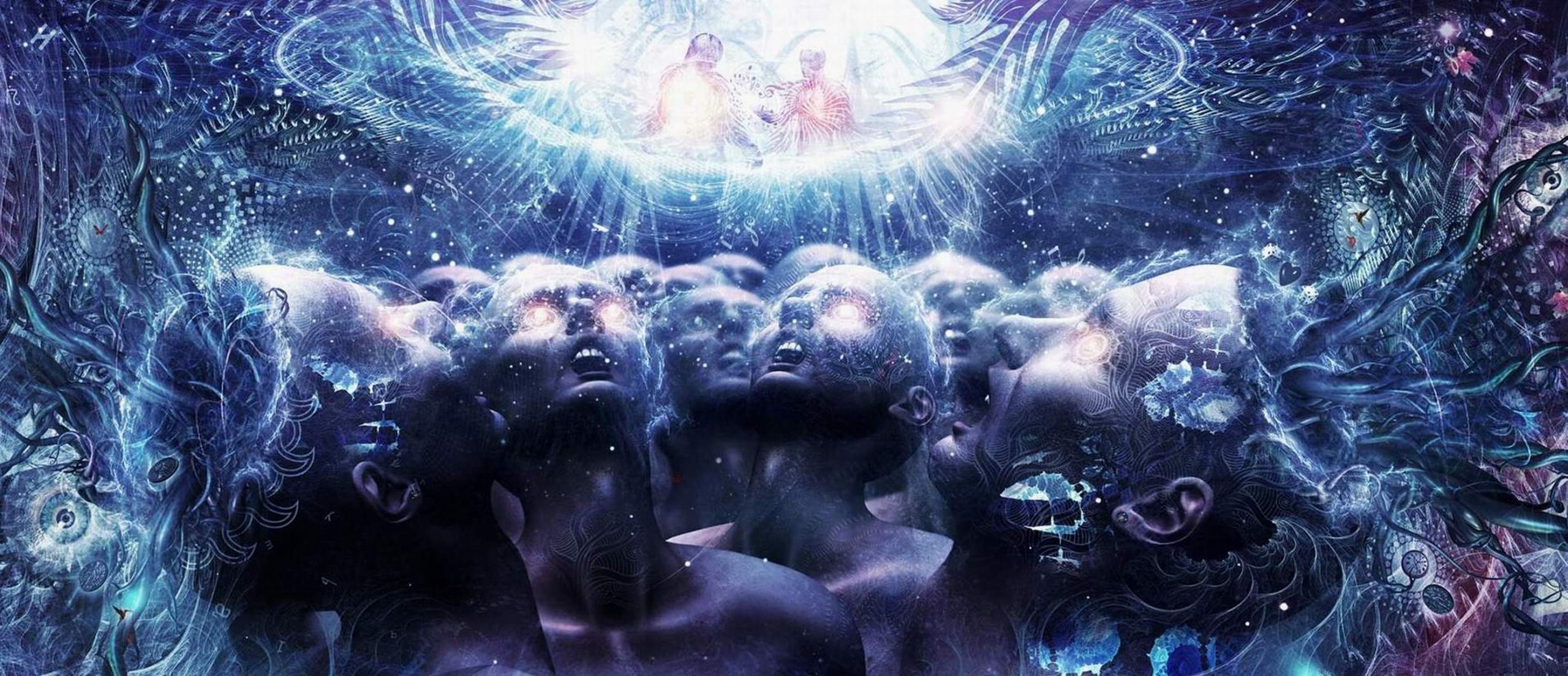
People use the phrase “psychic vision” for many different experiences: a vivid mental image, a dream that later feels significant, imagery during meditation, a flash at the edge of vision, or seeing something that other people do not. These experiences should not all receive the same explanation. Some are ordinary forms of imagination and memory; some can occur around sleep, migraine, eye conditions, medication, substance use, or mental-health symptoms.
A spiritual interpretation may carry personal meaning, but no vision can verify that a spirit guide sent it or guarantee that it predicts the future. Start with safety, describe exactly what happened, consider ordinary causes, and keep actions proportionate to evidence.
First clarify what “vision” means
Ask which category best fits the experience:
- Voluntary mental imagery: you intentionally picture a face, place, symbol, or scene.
- Spontaneous inner imagery: an image enters the mind without deliberate effort, but you recognize it as internal.
- Dream imagery: it occurs during sleep or while waking.
- Hypnagogic or hypnopompic imagery: vivid sights or sounds occur while falling asleep or waking.
- Visual disturbance: flashes, dots, zigzags, blind areas, floaters, blurring, or a curtain-like shadow affect eyesight.
- Hallucination: you see something as externally present that others do not see.
- Symbolic interpretation: an image is treated as a metaphor, intuitive prompt, or spiritual message.
The categories can overlap, and an online article cannot diagnose the cause. The crucial distinction is whether the image is recognized as imagination, affects actual vision, or feels externally real.
Rule out urgent eye symptoms
Do not interpret new visual changes as spiritual activation before checking eye health. The U.S. National Eye Institute advises urgent evaluation for many new floaters appearing suddenly, especially with flashes of light, or a dark shadow or curtain in side or central vision, because these can signal a retinal tear or detachment. See the NEI guidance on floaters.
Sudden vision loss, severe eye pain, a new neurological symptom, weakness, confusion, fainting, or a sudden severe headache also deserves urgent medical assessment according to local guidance. Raising your vibration, balancing a chakra, burning incense, or asking a guide for help must not delay care.
Migraine aura can be visual
Some people with migraine experience aura, which may include dots, zigzags, sparks, tingling, or speech changes. The National Institute of Neurological Disorders and Stroke notes that aura usually develops before a headache and often lasts no more than an hour, although migraine patterns vary and some visual symptoms occur without headache. Review the NINDS migraine information and discuss new or changing symptoms with a clinician.
Do not self-diagnose migraine from a checklist. A health professional can consider eye, neurological, medication, and other causes.
Why a frightening image is not a prediction
The mind can generate unwanted images about accidents, illness, loss, or harm. An image may reflect fear, memory, recent media, grief, stress, or random mental activity. Having it does not cause the event, reveal secret intent, or create responsibility to prevent every possible outcome.
When a later news story resembles an earlier image, the match can feel extraordinary. Before concluding that it was precognition, ask how specific the image was, when it was documented, how many nonmatching images occurred, how common the event is, and whether details were added after learning the news. Human memory reconstructs; a written record made beforehand is more reliable than recollection.
A six-step response to a disturbing vision
- Orient. Look around and name the date, location, and five objects you can see. Feel your feet or the chair.
- Describe. Write whether the image was internal or external, voluntary or unwanted, awake or near sleep, and how long it lasted.
- Check the body and context. Note vision changes, headache, sleep, stress, fever, medication changes, alcohol or drug use, and recent media.
- Do not obey or broadcast it. A vision alone is not evidence to accuse someone, make a public warning, stop treatment, spend money, or enter danger.
- Choose a low-risk action. Contact a clinician for symptoms, verify an ordinary safety concern, postpone a major decision, or speak with a trusted person.
- Recover. Reduce stimulation, eat and hydrate if appropriate, protect sleep, and return to a routine task.
If the image involves an immediate, specific safety concern supported by observable facts, use the relevant emergency or safeguarding channel. If it is only an unverified impression, do not place yourself or someone else at risk trying to investigate.
Keep a prospective vision log
For nonurgent experiences, record the entry before seeking confirmation. Include:
- date, time, and duration;
- whether you were awake, falling asleep, meditating, or dreaming;
- the exact image without interpretation;
- physical symptoms and recent sleep, substances, medication, stress, and media;
- your interpretation and at least three alternatives;
- a confidence percentage;
- what would count as a match, mismatch, or unknown;
- what happened, without rewriting the original entry.
Review misses and vague entries as carefully as striking matches. Stop logging if it becomes compulsive, increases fear, or makes ordinary coincidences feel like instructions.
Use symbols for reflection, not certainty
An inner image can be explored like a dream or a piece of art. Ask: What does this symbol mean to me? What emotion appears? Which recent experience might it echo? What value or question does it highlight? Then choose a small, reversible action such as journaling, resting, or discussing a concern directly.
Do not turn a symbol into a factual claim about another person. A locked door does not prove betrayal; a hospital image does not diagnose illness; a funeral scene does not predict death. Symbolic reflection is useful only while uncertainty remains visible.
Spirit-guide interpretations need safeguards
Some people understand visions as messages from spirit guides or angels. That source cannot be objectively verified. A comforting interpretation may be held personally, but “a guide sent this” should not override evidence, consent, treatment, law, or safety.
Reject any message that commands harm, creates fear-based urgency, declares you uniquely chosen, demands secrecy, tells you to stop medication, or requires escalating payments. Our guide to spirit-guide experiences and warning signs provides a fuller decision framework.
Meditation can intensify imagery
Reduced external stimulation, expectation, fatigue, and sustained inward attention can make imagery more noticeable during meditation. More vivid imagery does not prove greater psychic accuracy. Keep sessions brief, remain oriented to the room, and avoid sleep deprivation, fasting, hyperventilation, or substance use to intensify an experience.
Stop if meditation increases panic, dissociation, insomnia, paranoia, or difficulty distinguishing inner imagery from external events. The practical guide to exploring intuition through a grounded meditation includes consent, logging, and stop conditions.
Fire, smoke, and “energy clearing”
Candles and incense are not required to balance a vision. Smoke can irritate lungs and create risk around asthma, children, pets, and poor ventilation; open flames create burn and fire hazards. If ritual helps you transition, choose a safe alternative such as opening curtains, washing your hands, listening to calm music, or writing a closing sentence.
There is no established measure showing that frightening visions result from low vibration, bad aura, or energy picked up from a stranger. Forced positivity also cannot guarantee pleasant imagery or prevent bad events.
When to seek mental-health support
Seeing an image does not automatically mean psychosis. Concern rises when experiences feel externally real, persist or intensify, impair sleep or work, come with strong suspiciousness or confused thinking, or make it difficult to tell reality from fantasy. The U.S. National Institute of Mental Health explains symptoms, possible contributors, and treatment in its Understanding Psychosis guide.
Medication changes, sleep deprivation, substance use, neurological conditions, and other health issues can also contribute to unusual perceptions. Seek a qualified clinician for assessment. A culturally responsive professional can discuss spiritual meaning respectfully without automatically confirming the cause.
If a voice or vision commands harm, you might hurt yourself or someone else, you cannot stay safe, or there is a medical emergency, contact local emergency services or a crisis service now. Do not wait for a psychic reading or clearing ritual.
Helping someone who reports visions
Stay calm and listen without arguing about the spiritual interpretation. Ask whether the person feels safe, whether the experience is new, whether they have slept, and whether there are medical symptoms or substance or medication changes. Focus on distress and practical needs: quiet space, food, transportation, a trusted contact, or clinical help.
Do not reinforce a frightening claim as fact or mock it. You can say, “I believe this feels real and frightening to you. I cannot verify the source, but I want to help you stay safe and get support.” In immediate danger, use emergency resources.
A grounded way to hold mystery
You can treat an image as meaningful without treating it as a command or forecast. Accurate description, medical triage, sleep, prospective records, alternative explanations, consent, and reversible actions create a safer path. A practice that increases fear and certainty is not more advanced than one that preserves humility and reality checking.
Frequently asked questions
Are psychic visions proven to predict the future?
No reliable method establishes that a spontaneous image predicts a future event. Document experiences before outcomes, count misses as well as matches, and do not make high-stakes decisions from a vision alone.
When do visual flashes or floaters need urgent care?
Seek urgent eye care for many new floaters that appear suddenly, especially with flashes of light, or a dark shadow or curtain in your vision. Sudden vision loss or other severe new symptoms also requires prompt medical assessment.
Does having a frightening vision mean I caused something bad?
No. An unwanted image does not cause an event or make you responsible for preventing every feared possibility. Use observable facts and appropriate safety channels rather than blame or magical responsibility.
Should I meditate to make visions stronger?
Not if imagery is frightening, impairing sleep, or becoming difficult to distinguish from reality. Keep any practice brief and grounded, avoid intensifying methods, and stop or seek qualified support when distress increases.