
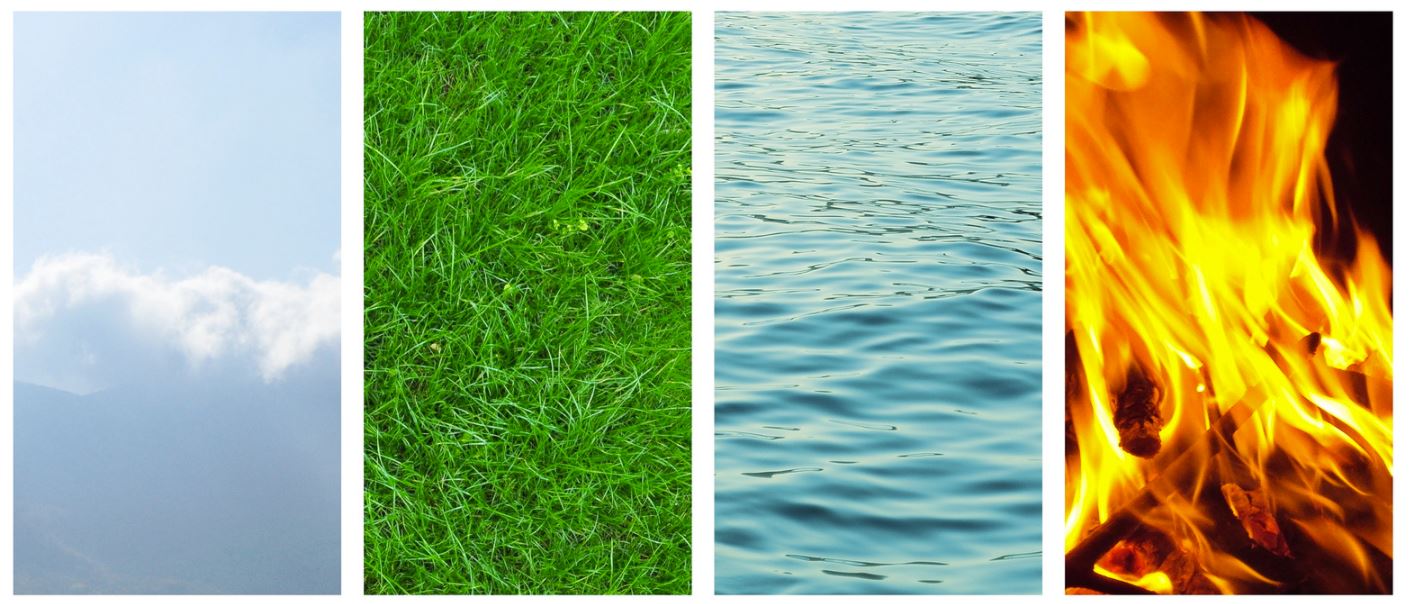
Earth can mean the planet beneath us, soil that supports food, one of several traditional elements, or a symbol of stability, embodiment, mortality, and renewal. Those meanings come from different cultures and systems; they should not be blended into one universal spiritual doctrine.
Scientifically, Earth is our home planet and the only world currently known to harbor life, as summarized in NASA’s Earth overview. Symbolically, people may use Earth to reflect on dependence, responsibility, belonging, and change. A symbol can organize thought without proving a supernatural claim.
Earth as home and interdependence
Every person depends on ecological systems: air, water, soil, climate, plants, animals, microbes, and other people. Earth symbolism often begins with that material relationship. Images of roots, fields, mountains, clay, and stone can represent support, limits, patience, or continuity because those associations grow from lived experience.
This meaning does not require Earth to be literally conscious or to arrange events for individuals. Someone may personify the planet in prayer or poetry while keeping scientific and ethical claims separate.
“Mother Earth” and care
Mother or maternal imagery is used in some religious, mythic, ecological, and poetic traditions to express fertility, provision, kinship, or obligation. It is not the only way cultures understand land, and it should not be presented as a single belief shared by all Indigenous peoples, women, feminists, or spiritual communities.
The metaphor also has limits. Nature can sustain life and also contain disease, toxins, disasters, and scarcity. Calling Earth nurturing should not erase the work involved in agriculture, public health, conservation, disaster preparation, and equitable access to resources.
Earth as an element
Different traditions organize elements differently. Classical Greek thought commonly used earth, water, air, and fire; later Western esoteric systems may add spirit or aether. Chinese wuxing describes wood, fire, earth, metal, and water as dynamic phases or processes, not the same five substances. Other cultural frameworks have their own histories and meanings.
In modern spiritual practice, “earth element” may suggest structure, practicality, boundaries, nourishment, slowness, or the body. Use those as reflective associations, not as diagnoses or fixed rules about personality.
Earth signs in astrology
Western astrology groups Taurus, Virgo, and Capricorn as earth signs and traditionally associates them with practicality, material concerns, or steadiness. Astrology is a symbolic divination system, not a scientific method for measuring rationality, emotional control, compatibility, or decision quality.
A person’s sign does not establish that they are balanced, honest, nurturing, or better with money. Broad descriptions can feel recognizable to many people, so they work best as optional journaling prompts rather than verdicts.
Soil, bodies, and life cycles
Earth can symbolize birth, food, work, decay, death, and renewal because living matter participates in ecological cycles. Burial customs may express return, ancestry, continuity, resurrection, impermanence, or other beliefs depending on the community. There is no single meaning that applies to every burial or proves what happens after death.
Likewise, Earth imagery in a psychic or oracle reading does not predict pregnancy. Pregnancy is established through appropriate testing and healthcare, not a symbol, intuition, body shape, or reading.
Grounding as an ordinary skill
In everyday language, being grounded can mean orienting to the present, slowing down, noticing the senses, and choosing a practical next step. Try this short exercise:
- Place both feet on a stable surface and let your breathing stay natural.
- Name five things you see, four things you feel, and three things you hear.
- Notice one immediate need: water, food, medication, rest, movement, or contact with someone safe.
- Choose one small action you can complete now.
You may picture roots or hold a stone if the symbolism helps, but the object does not absorb illness, remove trauma, or guarantee emotional regulation. For a broader stabilization plan, see grounding and integration during intense spiritual experiences. The site’s guide to chakra systems and health limits also explains how to keep energy language symbolic.
Nature exposure: possible benefits and limits
Time in a park, garden, or other green space may support well-being through movement, restoration, social contact, quieter surroundings, and reduced exposure to some urban stressors. A systematic review of objectively measured greenspace and mental health found several plausible pathways but mixed or nonsignificant evidence for some mechanisms and called for stronger longitudinal and experimental research.
That is different from claiming that soil transfers vitamins or micronutrients through bare feet. Nutrients generally come from food or medically indicated supplements, not standing on the ground. Barefoot walking can also expose people to cuts, burns, parasites, allergens, contaminated soil, or falls.
Natural remedies are not automatically safe
Plants, minerals, and other natural materials can be culturally important and some compounds from nature have become medicines. But origin does not establish safety or effectiveness. The National Center for Complementary and Integrative Health cautions that natural products may be ineffective, interact with medicines, or cause serious harm.
Do not eat unknown plants, soil, stones, mineral powders, or essential oils. Do not substitute crystals, herbs, earthing products, or time outdoors for diagnosis or treatment. Discuss supplements with a qualified healthcare professional, especially during pregnancy, before surgery, or when taking medication.
Animals and cultural respect
Bears, wolves, cattle, ants, dogs, and other animals carry different meanings in stories, religions, heraldry, ecology, and personal experience. No universal list makes one animal “the” Earth spirit animal. Avoid claiming a cultural identity, sacred title, or teaching based only on an online quiz or generalized symbol list.
A respectful reflection asks what an animal means in a specific source or in your own experience, names the tradition accurately, and avoids presenting a borrowed teaching as universal.
Frequently asked questions
What does Earth commonly symbolize?
Common associations include home, stability, embodiment, nourishment, limits, mortality, patience, and renewal. Meanings vary by culture, tradition, and personal context.
Do earth signs have more balanced personalities?
Western astrology symbolically associates Taurus, Virgo, and Capricorn with earth qualities, but a zodiac sign does not scientifically determine personality, emotional control, or judgment.
Does walking barefoot provide vitamins or healing energy?
There is no good evidence that bare feet absorb vitamins or healing energy from soil. Outdoor activity may feel restorative, but footwear and environmental safety still matter.
Can Earth symbolism predict pregnancy?
No. Earth imagery may be interpreted as fertility in some symbolic systems, but it cannot diagnose or predict pregnancy. Use an appropriate test and healthcare guidance.